

Guide to Clinical Placements in Nursing Programs
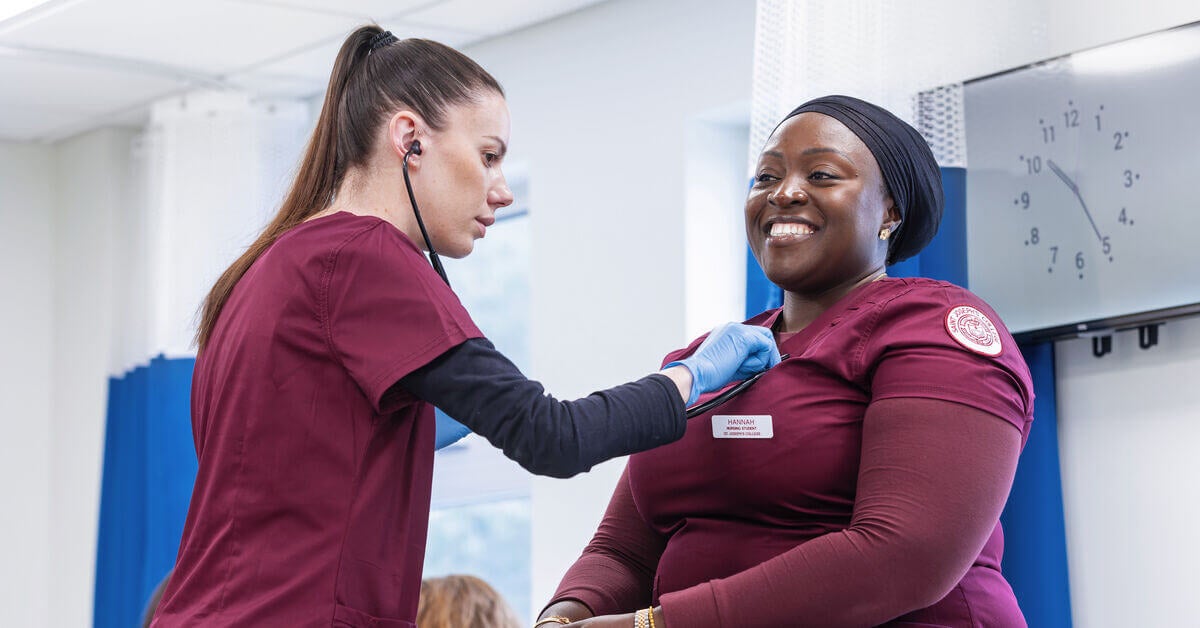
Choosing an accelerated Bachelor of Science in Nursing (ABSN) program involves comparing tuition, course schedules, and graduation timelines. Prospective students also need to understand how they will gain the hands-on experience required to prepare for nursing practice.
Clinical placements give nursing students the opportunity to apply classroom knowledge in healthcare settings. Through these experiences, nursing students develop clinical judgment and learn to care for patients under appropriate supervision. For students considering a hybrid ABSN program, practical questions often arise:
- Who arranges clinical rotations?
- Can students complete them near home?
- What should you expect before starting?
Understanding the process can help prospective students make informed decisions about nursing education.
What are Clinical Placements in Nursing Programs?
Clinical placements are structured learning experiences in which nursing students develop practical skills in real healthcare environments. Depending on the curriculum, students may rotate through hospitals, long-term care facilities, outpatient clinics, community health settings, and other approved sites.
These experiences complement classroom instruction and simulation training. Students have opportunities to apply nursing concepts, communicate with patients and healthcare professionals, and develop the judgment needed to respond to changing patient needs.
For career changers and people already working in healthcare, clinical placements are an important step toward the registered nurse (RN) role. Previous experience may provide familiarity with healthcare environments, but students must still demonstrate the competencies required by their nursing program.
How Does Clinical Placement Work?
The process for clinical placement depends on the nursing program. Some schools coordinate clinical experiences for their students, while others may require students to participate in identifying potential sites or arranging certain aspects of their rotations.
When a program provides clinical placement assistance, a dedicated team may help identify suitable sites, coordinate with vetted preceptors, and confirm rotation schedules. These arrangements must align with curriculum requirements, facility availability, and the student's eligibility to participate.
Placement support can be especially useful for students balancing an accelerated course load with other responsibilities. However, assistance does not eliminate the student's responsibility to meet deadlines, complete clinical agency onboarding, and follow clinical policies.
To better understand the student experience, read our guide on what to expect in nursing school clinicals, which explores clinical learning and how students can prepare for rotations.
On-Campus Immersions vs. Local Clinical Rotations
Hybrid ABSN programs may combine online coursework with two types of in-person learning: campus immersions and clinical rotations.
On-campus immersions or residencies take place at a designated campus or training location. Depending on the program, they may include simulation, hands-on skills practice, faculty instruction, and competency assessments. Clinical rotations take place in healthcare settings, where students gain supervised experience caring for patients and working alongside healthcare professionals.
Understanding this distinction is particularly important when researching online programs and clinical placements. Although coursework may be completed online, students still need to fulfill in-person clinical requirements and may also need to attend scheduled campus immersions.
Some programs help students arrange clinical experiences near where they live. Before enrolling, it is advised to ask about geographic eligibility, site availability, required travel, and the location and frequency of on-campus sessions.
Are There Prerequisites to Clinical Placements?
Students generally need to complete certain requirements before entering a clinical setting. Exact requirements vary by program, facility, and applicable regulations, so it is important to follow the instructions provided by the school.
Common requirements may include:
- Background checks: Screening required by the program or clinical facility.
- Immunizations and health records: Documentation meeting applicable health requirements.
- Certifications: CPR or Basic Life Support certification, when required.
- Training and onboarding: Completion of facility-specific modules, orientation, and paperwork.
- Professional standards: Compliance with dress codes, identification requirements, confidentiality policies, and patient safety procedures.
It is helpful to start gathering documentation early. Missing records or incomplete training can delay participation in a scheduled rotation. When preparing for clinical rotations, students should communicate with the nursing program promptly if there are questions about deadlines or eligibility.
What Does Clinical Placement Typically Cost?
The cost of clinical placement varies among nursing programs. Some include coordination in tuition, while others charge separate fees or require students to cover certain related expenses.
When comparing programs, ask whether placement coordination is included in the advertised tuition and whether additional fees apply. Transportation, uniforms, certifications, and other supplies may also affect the overall cost of attendance.
At Saint Joseph's College of Maine (SJC), clinical placement assistance is included in the program cost. A dedicated student advisor helps coordinate clinical sites for students, subject to program requirements and site availability.
Researching to understand what a school provides is an important part of comparing the value and overall cost of an ABSN program. For more information, prospective students can explore the school's clinical placement services and clarify what support is included.
What Are the Outcomes of Clinical Placements?
Clinical experiences help students connect nursing theory with patient care. They provide opportunities to strengthen assessment skills, communicate with patients and healthcare teams, recognize changes in patient conditions, and develop professional judgment.
Feedback from clinical faculty and preceptors helps students identify strengths and areas for improvement. These experiences also allow students to demonstrate progress toward the competencies required by their program.
Required clinical hours contribute to completing nursing education requirements and developing skills relevant to NCLEX-RN preparation. However, completing clinical hours alone does not guarantee examination success or licensure. Students must meet the applicable academic, examination, and licensing requirements.
Ultimately, clinical learning helps prepare graduates for the responsibilities of professional nursing practice.
Frequently Asked Questions About Clinical Placements
Clinical placement assistance is support a nursing program provides to help coordinate students' clinical experiences. Depending on the school, this may include identifying sites, communicating with healthcare facilities and preceptors, confirming the placement schedule, and organizing clinical eligibility documentation. The level of assistance varies, so prospective students should ask what is included before enrolling.
Some online and hybrid nursing programs help students arrange clinical rotations in their local areas. Availability depends on geographic eligibility, approved sites, scheduling, and program requirements. Students should also confirm whether campus immersions or travel to other locations are necessary.
A preceptor is an experienced healthcare professional who guides a student's learning in a clinical setting and provides feedback on student practice in the real world setting. Clinical faculty oversee the educational component, which may include evaluating performance and ensuring students meet course objectives. Their responsibilities vary by program and clinical arrangement.

Take the Next Step Toward Your Nursing Career
Clinical placements are an important consideration when choosing an accelerated nursing program. Understanding the process, associated requirements, and available support can help you make a more informed decision about your education.
At Saint Joseph's College of Maine, clinical placement assistance is included in the program cost, and a dedicated advisor helps coordinate clinical sites for students. This support can help you navigate an important part of nursing school while you focus on developing the knowledge and skills needed for professional practice.
Whether you're building on previous healthcare experience or preparing for a second career, your path to nursing can start with understanding your options. Learn more about SJC's hybrid ABSN program to explore the curriculum, program requirements, and clinical learning experience.