

Skills of a Registered Nurse
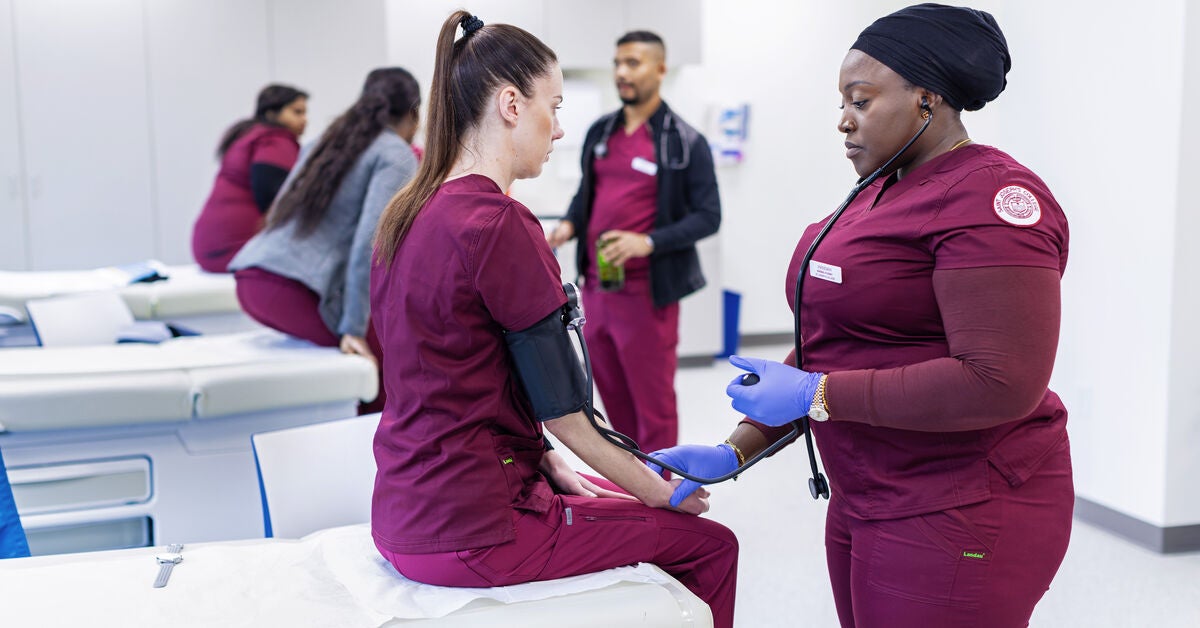
If you are considering a nursing career, recognizing the unique mix of technical and soft skills needed for this path can help set expectations for personal and professional development. Understanding important registered nurse (RN) skills is essential for anyone preparing to enter this rewarding field, and this blog serves to help guide your preparation.
Technical Skills for Nursing
Technical skills form the foundation of safe and effective nursing care. These abilities help nurses assess, treat, and monitor patients in various environments and critical situations. Below are some of the top technical skills you need to become a nurse.
1. Patient Assessment
A core responsibility of nurses is to evaluate patient health conditions. Patient assessment skills include observing physical symptoms and recognizing distinct (as well as subtle) changes in health. Strong physical assessment skills enable nurses to respond quickly and accurately when they are identifying and managing health issues.
Thorough assessments help nurses notice potential health problems in the preventative or early stages before they become serious or life-threatening. RNs also take comprehensive health histories and monitor physical health indicators such as:
- Blood pressure
- Heart rate
- Temperature
- Oxygen levels
In addition to these vital signs, RNs perform advanced patient assessments that provide a deeper understanding of overall health. These include auscultating heart, lung, and bowel sounds to detect abnormalities; palpating the abdomen, skin, extremities, and pulses to evaluate circulation, temperature, and tenderness; and percussing the abdomen to identify fluid or air buildup.
Nurses also perform detailed neurological assessments, testing cranial and peripheral nerves, as well as muscle strength, coordination, and mobility. Evaluating mental status and orientation helps determine cognitive changes or early signs of confusion.
What distinguishes a nursing assessment from that of a nurse’s aide or patient care technician is the level of critical thinking and analysis applied to the data gathered. Through their nursing training and experience, RNs connect patterns in physical and behavioral findings to form a clear clinical picture.
Understanding and interpreting physical assessment data is a technical skill that can make a critical difference in patient outcomes. Nurses are trained to recognize patterns in health data that help guide appropriate action when abnormalities arise.
2. Medication Administration
RNs are responsible for administering medications safely, which requires knowledge of drug interactions and adherence to medication administration protocols. Mistakes can have serious consequences, making this skill essential for every nurse.
Medication administration skills for nursing include:
- Understanding drug classifications and actions
- Calculating dosages accurately
- Assessing for allergies
- Monitoring patient response to treatment
- Documenting the medication administration
Nurses also educate patients about medications, including proper dosage, timing, and potential side effects. Many medications may be taken orally, but nurses also operate intravenous (IV) pumps and utilize syringes with distinct types and sizes of needles for specialized injections.
3. Electronic Health Record (EHR) Proficiency
In today’s healthcare environment, digital recordkeeping is the standard. Electronic records help keep the entire care team informed. Nurses use EHR systems to document patient care, retrieve medical histories, and communicate effectively.
Nurses are also required to document all care delivered. This includes vital signs, medications, care plans, patient education, and every aspect of the nursing process. User-friendly EHR systems make documentation accessible and efficient. Accuracy in documentation protects patients and ensures seamless continuity of care across multiple providers and settings.
4. Patient Transport
In most hospitals, a patient transport team is responsible for moving patients safely between units for diagnostic tests or procedures. However, RNs play a key role in coordinating these transitions by:
- Preparing patients for transport
- Communicating with receiving departments
- Ensuring isolation precautions follow the patient
- Facilitating IV medication, oxygen and monitoring continuity
Moving patients safely requires awareness of limitations, knowledge of proper techniques, and identifying when a nurse or doctor needs to accompany the patient. These skills are essential for preventing injury to both patients and caregivers.
Soft Skills for Nursing
The American Nurses Association (ANA) emphasizes that strong communication, empathy, and adaptability are essential for nurses to build trust. Nurses who excel in soft skills foster professional caregiving relationships and adapt to the dynamic nature of healthcare.
1. Time Management
Nurses care for many patients. Time management is essential for nurses to prioritize care decisions and maintain efficiency while giving each patient the attention they need.
Time management skills are demonstrated when nurses:
- Balance urgent with routine responsibilities
- Create a manageable workflow
- Delegate when possible
- Promote interdisciplinary teamwork
A nurse with good time management skills can help reduce workplace stress by being organized, which can contribute to a positive work culture and environment.
2. Communication
Clear communication with patients, families, and healthcare teams is an essential nursing skill. Active listening and therapeutic communication can go a long way for patient satisfaction. Speaking clearly with respect for each individual helps:
- Prevent misunderstandings
- Explain complex health information
- Alleviate stress for patients
Professionalism and kindness in nonverbal communication are also important for building trust and rapport with patients and families. Good communication is essential for positive patient outcomes.
3. Empathy
Empathy allows nurses to connect with patients on a human level. By showing compassion and validating patient experiences, nurses can build trust and encourage partnership so patients are engaged in their care. Empathy helps support emotional wellness by listening to patient fears and genuine concerns.
While closely related, sympathy is different from empathy. Nurses who are strong in empathy can also use this skill to de-escalate situations when patients or families may feel anxious or frustrated. Empathy is also important for delivering holistic care where emotional and physical needs are addressed.
By practicing empathy, nurses can better understand how illness affects the whole person and provide care that supports healing in every aspect of life. This might include active listening, offering emotional reassurance, and coordinating care that respects the patient’s values, beliefs, and unique circumstances.
4. Adaptability
Nurses must sometimes respond quickly to changing or unpredictable situations. This includes medical emergencies, times when treatment plans need adjustment, or even acclimating to the use of new technologies. Adaptability ensures that patient care remains relatively continuous when circumstances shift unexpectedly.
Some nursing specialties require critical thinking in high-pressure situations. In many situations, nurses evaluate complex information quickly, anticipate complications, and effectively intervene with quality care.
5. Resiliency
Resiliency is the ability to adapt, recover, and keep going in the face of challenges. In nursing, it means staying grounded and compassionate even when the workload is heavy. Resilient nurses can process stress in healthy ways, maintain perspective, and continue providing safe and thoughtful care.
Tips for building resiliency include:
- Staying connected with trusted colleagues and friends
- Reflecting regularly to process difficult situations and learn from them
- Prioritizing rest and renewal while setting healthy boundaries
Reconnecting with your reasons for choosing nursing can renew motivation and strengthen resolve during hard days.
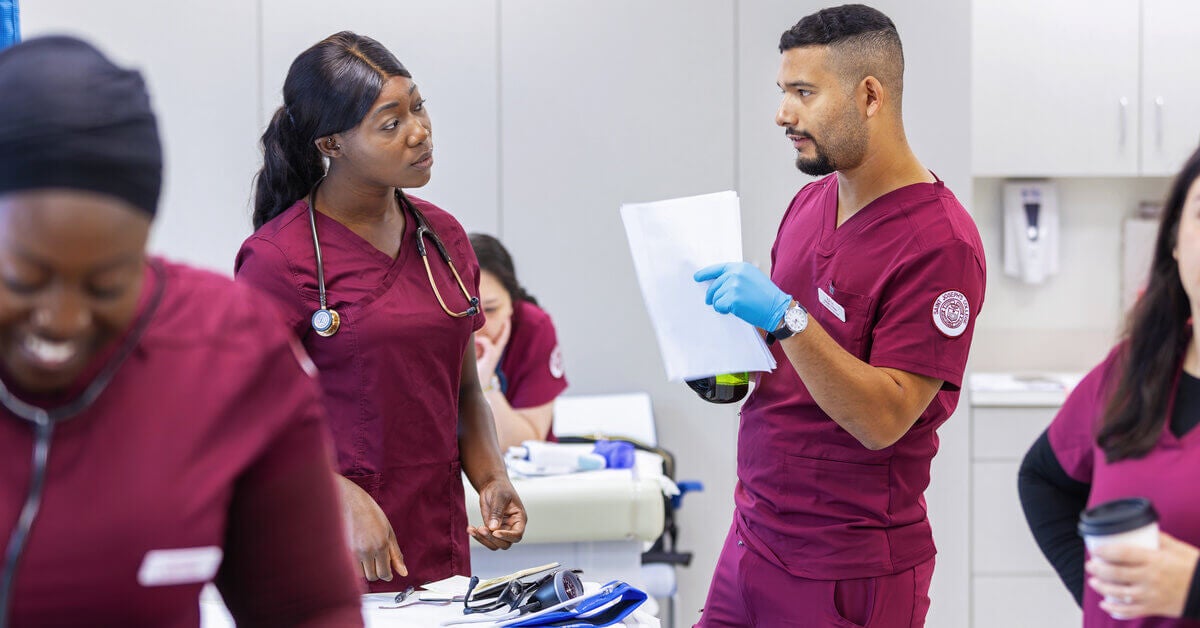
How Saint Joseph’s College of Maine Develops Nursing Skills
Saint Joseph’s College of Maine (SJC) supports aspiring nurses in building technical and soft skills through the Hybrid Accelerated Bachelor of Science in Nursing (ABSN) program. This accelerated program combines online coursework with hands-on experiences, providing students with the knowledge and practical experience needed to succeed as they prepare to become a nurse.
The Hybrid ABSN program integrates the development of technical skills with interpersonal experience. Students learn to communicate effectively with patients and care teams, manage their time during clinicals, and approach challenges with adaptability and empathy.
Nursing Simulation (SIM) Experiences
A key feature of Saint Joe’s ABSN program is the SIM lab, where students engage in realistic patient care simulations. In the SIM lab, students practice essential tasks in a controlled environment such as:
- Patient assessment
- Medication administration
- Responding to medical emergencies
If you are wondering more about simulation in nursing education and what nursing SIM labs are, these immersive trainings allow students to develop confidence, refine techniques, and make decisions under supervision before encountering real patients.
In SIM experiences, students practice real-life scenarios under the guidance of experienced instructors. The experiences take place in person in the SIM lab and virtually. This approach prepares graduates to step confidently into clinical settings and meet the demands of modern healthcare.
As student Sandra Stephen explains, “There’s also a simulated program where you are assessing a patient, and you’re testing your skills as if you are in a room with the patient, and you have to ask the right questions for the person to respond back appropriately. And if you said something differently, the person asks you, ‘Can you rephrase? I don't understand what you're saying.’ It teaches you how to be thorough and checks off all your skill sets.”
This immersive simulation training helps students refine their clinical judgment while building confidence for patient care. By the time students complete the program at SJC, they are prepared to provide patient-centered care in the clinical environment.
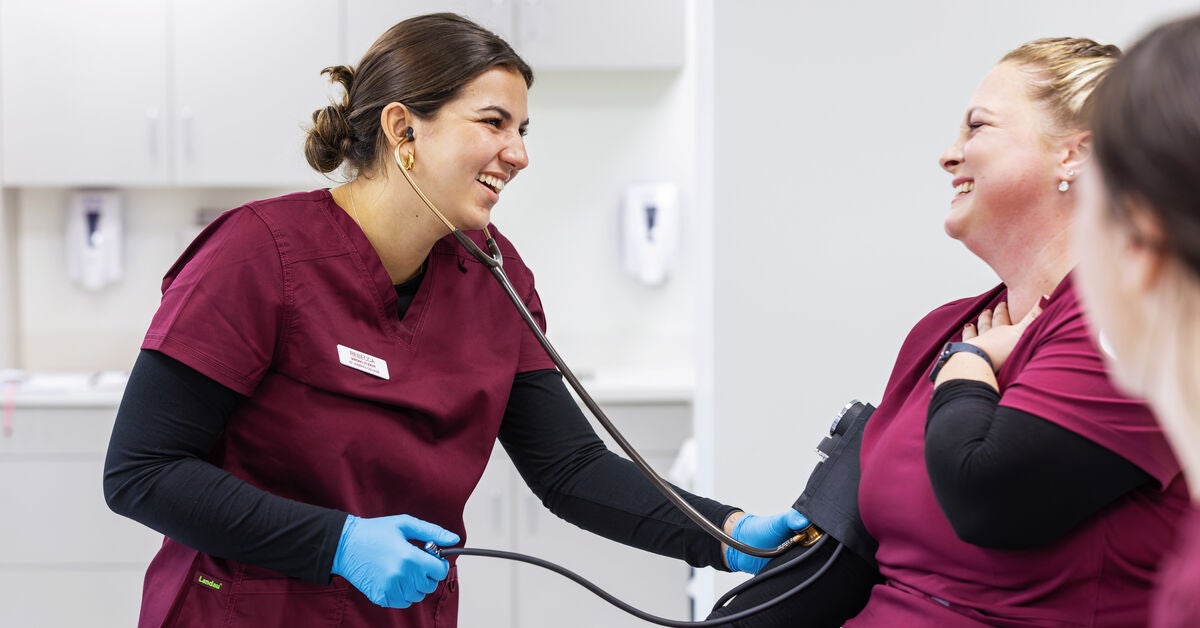
Build Your Nursing Skills at Saint Joe’s
Saint Joseph’s College of Maine’s Hybrid ABSN program helps students develop these essential registered nurse skills through didactic coursework and immersive experiences. Students also benefit from faculty mentorship and exposure to a variety of clinical settings.
These experiences are designed to reinforce learning and support professional growth.
The Hybrid ABSN program is for students with a previously earned, non-nursing Bachelor's degree and can be completed in just 15 months. The program includes:
- 100% online coursework
- Two on-campus immersions
- Dedicated support for clinical rotation hours completed near the student’s home
Learn more about Saint Joe’s ABSN program where you can grow your skills and pursue a fulfilling career in nursing.