

Becoming a Nurse at 40

If you’re considering becoming a nurse at 40, you’re in good company. According to the 2024 National Nursing Workforce Survey, over 70% of today’s registered nurses (RNs) are ages 40 and over. The nursing profession is for compassionate people of all ages, including those who bring prior career experience.
For aspiring second-career nurses who hold a bachelor’s degree in another discipline, an Accelerated Bachelor of Science in Nursing (ABSN) offers the fastest path to a baccalaureate nursing degree. You can earn an ABSN in under two years, much faster than a traditional four-year BSN, by building on your previous education.
Keep reading to explore the advantages of becoming a nurse at 40 and how to become a nurse later in life by completing an ABSN program.
Why Is Nursing an Ideal Second Career for Adults Ages 40+?
Nursing is an ideal second career because previous professional and life experiences can translate well into registered nurse skills. It also offers a bright career outlook and many opportunities to advance and specialize.
What Advantages Do Second-Career Nursing Students Have?
Second-career nursing students bring transferable skills, such as critical thinking, communication, and time management. These are vital for providing safe, compassionate, and high-quality patient care:
- Critical Thinking: Many nursing students in their 40s are used to weighing information and making decisions quickly, whether from previous roles in healthcare, business, education, or other fields. When you’re adept at thinking critically, you have an advantage in clinical simulations and rotations in nursing school, where you will use clinical judgment to make evidence-based decisions.
- Communication: Communication is a core component of professional nursing practice, contributing to high-quality and individualized care. As an aspiring second-career nurse, you’ve likely refined your verbal, written, and behavioral communication in other jobs. This experience prepares you to confidently speak with patients, collaborate with peers, and ask for clarification and support during your nursing education.
- Time Management: Knowing how to prioritize tasks and manage a busy schedule is essential for nurses to provide quality care while protecting their own well-being. Second-career nursing students often enter nursing school with strong time management skills, which help them keep up academically and adapt when patient needs change unexpectedly.
What Is the Career Outlook for Second-Career Nurses?
Becoming a nurse at 40 offers a positive career outlook and the opportunity to find greater fulfillment in helping others. These employment and salary trends highlight the high demand for RNs, which translates into long-term job security and competitive earnings:
- RN employment is projected to grow by 5% between 2024 and 2034, faster than average.
- Healthcare settings nationwide will have an average of 189,000 RN job openings annually over the next decade, especially in hospitals, outpatient care centers, and residential care facilities.
- The median RN salary is $93,600, with the top 10% earning more than $135,320.
What Are Advancement Opportunities for Second-Career Nurses?
Once you earn your ABSN and become a licensed RN, you can evolve your nursing career based on your goals and interests. Gaining professional nursing experience, obtaining specialty nursing certification, or earning a graduate nursing degree are all pathways for advancement.
This flexibility allows RNs to pursue opportunities such as:
- Clinical specialization in a specific area of nursing, such as emergency care, obstetrics, or oncology.
- Advanced practice roles via graduate nursing education, including nurse practitioner, which offer a higher level of autonomy.
- Management and leadership roles overseeing nursing units or organizations, including nurse manager, charge nurse, or director of nursing.
Nursing is a profession that encourages continued growth and advancement.
What Are Common Concerns About Becoming a Nurse at 40?
Is 40 too old to become a nurse? It’s natural to have concerns about returning to school later in life. Yet, ABSN programs are designed to support any motivated adult with a prior bachelor’s degree. As an ABSN student, you can succeed academically while balancing nursing school with personal commitments and build meaningful, supportive relationships with your peers.
Can I Keep Up Academically?
ABSN programs are rigorous and typically full-time, requiring at least 45 plus hours of commitment each week to earn your BSN in under two years. This is why working during the program is not advised. By focusing on your studies, you can dedicate your time and energy to preparing for your second career in nursing.
Hybrid ABSN programs focus on student success. The combination of synchronous and asynchronous online coursework provides more flexibility than entirely in-person programs. They also integrate in-person immersions on campus, so you can practice vital nursing skills and develop greater confidence alongside peers and professors.
Becoming a nurse at 40 takes dedication, but completing an ABSN program will fast-track you to your next career in nursing.
How Will I Balance School and Family?
Student-centered ABSN programs include built-in supports that help you balance your nursing education and personal responsibilities. In addition to guidance from experienced professors, students may receive additional support in areas such as:
- Advising: Student advisors provide one-on-one mentorship from application to graduation, helping you stay engaged and on track to graduate. Their role involves helping you understand tuition costs, connecting you with academic resources, checking in on your progress, and providing technical support.
- Clinical Placement Coordination: Clinical placement coordinators help identify and source appropriate sites or agencies as well as preceptors for clinical rotations, a required component of nursing education. They serve as the primary point of contact for placement logistics, freeing up time for students to focus on their studies.
Remember that you will also have the support of your peers, who will understand the rewards and rigor of an ABSN program.
Will I Fit in with Younger Students?
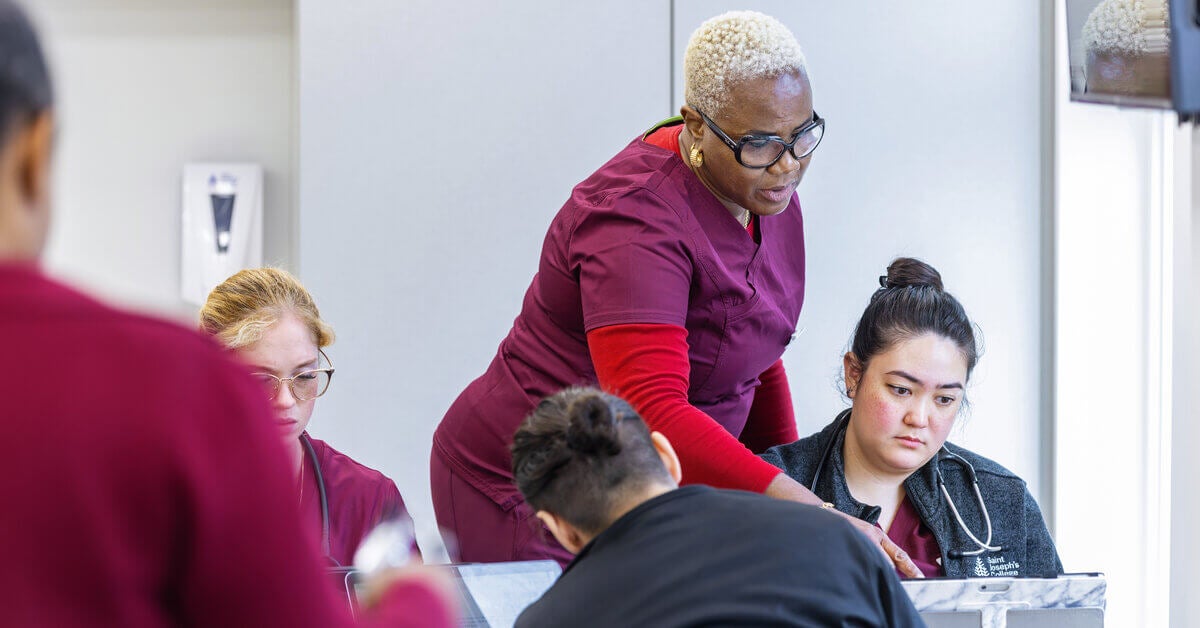
To go back to school to become an RN can feel intimidating, especially the thought of being among the oldest students in your program. ABSN programs naturally attract a wide age range because they’re designed for adults with prior education and career experience. So, some of your peers will likely be at a similar stage of life.
Consider, too, that quality education thrives on diverse perspectives. When your peers have different backgrounds, you can explore other ways of thinking and solving problems. As a second-career nursing student, you will also strengthen group learning with your professionalism.
How to Know if Nursing Is Right for You at 40+?
The question of “Should I become a nurse?” is best answered by you, based on your goals, motivations, and readiness for the profession. Beyond the steps required to prepare to be a nurse, here are a few considerations to help you decide whether becoming a nurse at 40 is right for you:
- How does nursing align with your career goals? Assess the job stability, earning potential, and advancement opportunities, alongside the potential fulfillment of helping others on some of the best and most challenging days of their lives.
- What is your purpose for becoming a nurse at 40? Clarify why you want to pursue nursing at this life stage. Whether driven by a deep desire to help others or a long-held calling, developing a strong sense of purpose can clarify how nursing aligns with your values and expectations for a second career.
- Are you ready for the demands of the job? Reflect on how your past experiences have prepared you for the physical, mental, and emotional aspects of nursing. Can you spend long periods on your feet, manage competing priorities, and be an empathetic support to patients and their families? These are just a few of the many responsibilities you will have as an RN.
Becoming a nurse at 40 is not only possible but deeply rewarding.
How to Become a Nurse Later in Life in the Hybrid ABSN Program at Saint Joseph’s College of Maine
Now is the time to build a more meaningful and rewarding career in nursing. As a second-career nursing student, you will bring transferable skills and experience, along with a strong sense of your purpose and priorities. At the same time, the high demand for nurses has created the opportunity for a stable, meaningful career.
Saint Joseph’s College of Maine offers an accelerated path to becoming a nurse at 40 and improving the world around you. SJC offers a hybrid ABSN program accredited by the Commission on Collegiate Nursing Education, designed specifically for adults with a bachelor’s degree in any field.
This is how to become a nurse later in life with SJC:
- 1) Apply to the ABSN program, which has two intake dates per year.
- 2) Complete the hybrid curriculum of synchronous and asynchronous coursework (100% online), two on-campus immersions that include hands-on skills training, and 600 clinical hours on-site with clinical faculty or a preceptor. Graduate with your ABSN in 15 months.
- 3) Apply for RN licensure through examination with your state board of nursing.
- 4) Pass the national nurse licensure examination, called the NCLEX-RN.
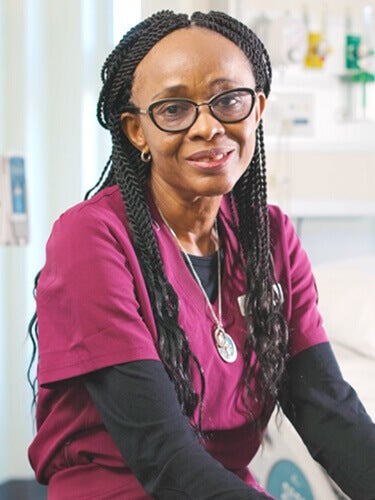
As an ABSN student at SJC, you’ll receive close supervision from a dedicated advisor, clinical placement support, and individual attention from a team of passionate and experienced educators.
“Here is where you belong. Come on in, read, study, you'll make it,” said Chioma Okoye, an SJC ABSN student and a former accountant. “You have professional instructors who are down to earth [and] ready to answer your questions at any time.”
To learn how SJC supports second-career nursing students like Chioma, request a free program guide about SJC’s hybrid ABSN program.